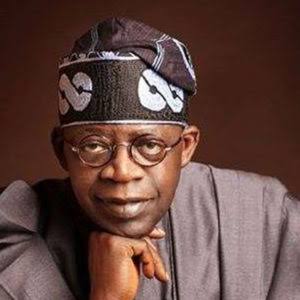

As of early 2026, President Bola Tinubu’s administration is focusing on transitioning Nigeria from a period of “necessary pain” caused by structural reforms into a phase of robust, sustainable growth. His primary economic and job-creation goals are centered on achieving a $1 trillion economy by 2030, reducing inflation to below 15%, and driving industrialization to create millions of jobs.
Here are the key goals and strategies for jobs and the economy under the “Renewed Hope” agenda for 2026 and beyond:
. Macroeconomic Stability and Growth
Targeted Growth: The administration has set a goal of achieving a 7% annual economic growth rate by 2027.
Inflation Control: A core goal is to bring inflation down to below 15% to alleviate the cost-of-living crisis.
Currency Stabilization: Strengthening the naira through improved foreign exchange liquidity, including boosting foreign reserves to $45.4 billion (as of late 2025).
Fiscal Reform: Implementing new tax laws effective January 1, 2026, including a ₦800,000 annual tax-free threshold for individuals and zero corporate income tax for small businesses with turnover below ₦50 million.
2. Job Creation and Economic Empowerment
Renewed Hope Ward Development Programme: A primary strategy is to accelerate this initiative, aiming to bring 10 million Nigerians into productive economic activity by empowering at least 1,000 people in each of Nigeria’s 8,809 wards.
Digital Skills Focus: The 3 Million Technical Talent (3MTT) program is designed to train 3 million Nigerians in digital skills (AI, cybersecurity, data science) to create two million tech jobs and export talent.
Micro, Small, and Medium Enterprises (MSMEs): The government aims to support small businesses through nano grants and low-interest loans, aiming to create hundreds of thousands of jobs.
Agricultural Revitalization: Launching large-scale mechanization programs to cultivate over 10 million hectares of land, aimed at food security and massive job creation.
3. Structural and Industrial Reforms
Industrialization Policy (2025–2035): A 10-year roadmap designed to transform Nigeria from a consuming to a producing nation, shifting from raw material export to value addition.
Infrastructure Investment: Continued, uninterrupted investment in critical infrastructure, including roads, power, ports, and railways to lower logistics costs.
Energy Sector Reforms: Stabilizing the electricity sector through debt refinancing and expanding renewable energy capacity to support manufacturing.
4. Revenue Generation and Investment
Unlocking Public Assets: The Ministry of Finance Incorporated (MOFI) has been tasked with unlocking value from government-owned assets, with a goal to raise at least $10 billion to increase liquidity.
Attracting Foreign Direct Investment (FDI): The administration has set ambitious targets for FDI, with a focus on diversifying the economy away from oil.
Context for 2026: The government is focusing on consolidating gains from 2025—which saw a “fiscal reset,” improved GDP growth, and a rise in FDI—to ensure that these reforms translate into tangible benefits for the average Nigerian household in 2026.